
Smart cars in 2025 are redefining driving with advanced technology, AI integration, and eco-friendly solutions. From autonomous assistance to intelligent connectivity and safety systems, these vehicles enhance convenience, efficiency, and security. Understanding the smart cars features explained helps consumers make informed decisions and embrace the future of mobility.
Key Takeaways
- Smart cars integrate AI, connectivity, and safety for enhanced driving.
- Advanced safety systems prevent accidents and assist drivers effectively.
- Connectivity features improve convenience, entertainment, and remote control.
- Eco-friendly technologies reduce environmental impact and optimize energy.
- Knowledge of smart car features enables better purchasing decisions and investment in futuristic vehicles.
Connectivity & Infotainment Features
Modern smart cars in 2025 focus heavily on connectivity and infotainment. In-car systems now integrate smartphones seamlessly, using platforms like Apple CarPlay and Android Auto. Drivers can control music, navigation, and calls using voice commands, touchscreens, or AI-assisted interfaces.
High-end vehicles feature cloud-connected infotainment, providing real-time traffic updates, weather forecasts, and emergency alerts. Passengers benefit from in-car Wi-Fi, allowing streaming, remote work, or gaming during travel. Smart dashboards now learn driver preferences, automatically adjusting climate control, seat positioning, and even lighting.
Additionally, connected cars allow remote diagnostics and updates. Manufacturers can push software updates wirelessly, ensuring that navigation, safety systems, and infotainment remain up-to-date without visiting service centers. These connectivity features not only enhance driving comfort but also contribute to vehicle longevity and safety.
Table 1: Connectivity & Infotainment Features Comparison
| Feature | Standard Cars | Smart Cars 2025 | Benefits |
| Touchscreen Display | Small/Basic | 12-15 inch HD | Full control of settings & media |
| Voice Commands | Limited | AI-powered | Hands-free operation for safety |
| Smartphone Integration | Optional | Full | Remote control, notifications, apps |
| Wi-Fi | No | Yes | Passenger convenience, work, entertainment |
| Cloud Updates | No | Yes | Keeps system software current |
Advanced Safety Systems
Safety is a cornerstone of smart cars in 2025. Modern vehicles employ ADAS (Advanced Driver Assistance Systems) that include lane-keeping assist, blind-spot detection, adaptive cruise control, and automatic emergency braking.
These systems rely on radar, LIDAR, and cameras to monitor surroundings in real-time, detecting obstacles, pedestrians, and other vehicles. AI algorithms process this data to either alert the driver or take corrective action autonomously.
High-end smart cars also integrate driver monitoring systems to detect fatigue, distraction, or unusual behavior, issuing alerts or even temporarily taking control of the vehicle. Additionally, vehicle-to-vehicle (V2V) and vehicle-to-infrastructure (V2I) communication allows cars to share information on traffic conditions, road hazards, and accidents, further improving safety and reducing collisions.
Table 2: Advanced Safety Features Comparison
| Feature | Standard Cars | Smart Cars 2025 | Benefits |
| Lane Assist | Basic | AI-enhanced | Prevents drifting accidents |
| Blind-Spot Detection | Optional | Standard | Safer lane changes |
| Automatic Emergency Braking | Manual | Autonomous | Reduces collision risk |
| Adaptive Cruise Control | No | AI-powered | Optimized speed and spacing |
| Driver Monitoring | No | AI alerts | Detects fatigue/distraction |
AI-Powered Driving Assistance
Artificial intelligence (AI) is central to smart car functionality. Semi-autonomous and fully autonomous vehicles rely on machine learning algorithms to improve navigation, efficiency, and safety.
AI systems process inputs from multiple sensors to predict road conditions, traffic patterns, and driver behavior. Adaptive cruise control adjusts vehicle speed automatically based on surrounding traffic, while smart parking systems assist in tight spaces.
Furthermore, predictive maintenance uses AI to monitor engine health, battery status, and tire condition, sending alerts before any critical failure occurs. AI personalization also tailors the driving experience, adjusting seat, mirrors, infotainment, and climate control based on the driver’s habits and preferences.
Eco-Friendly Smart Technologies
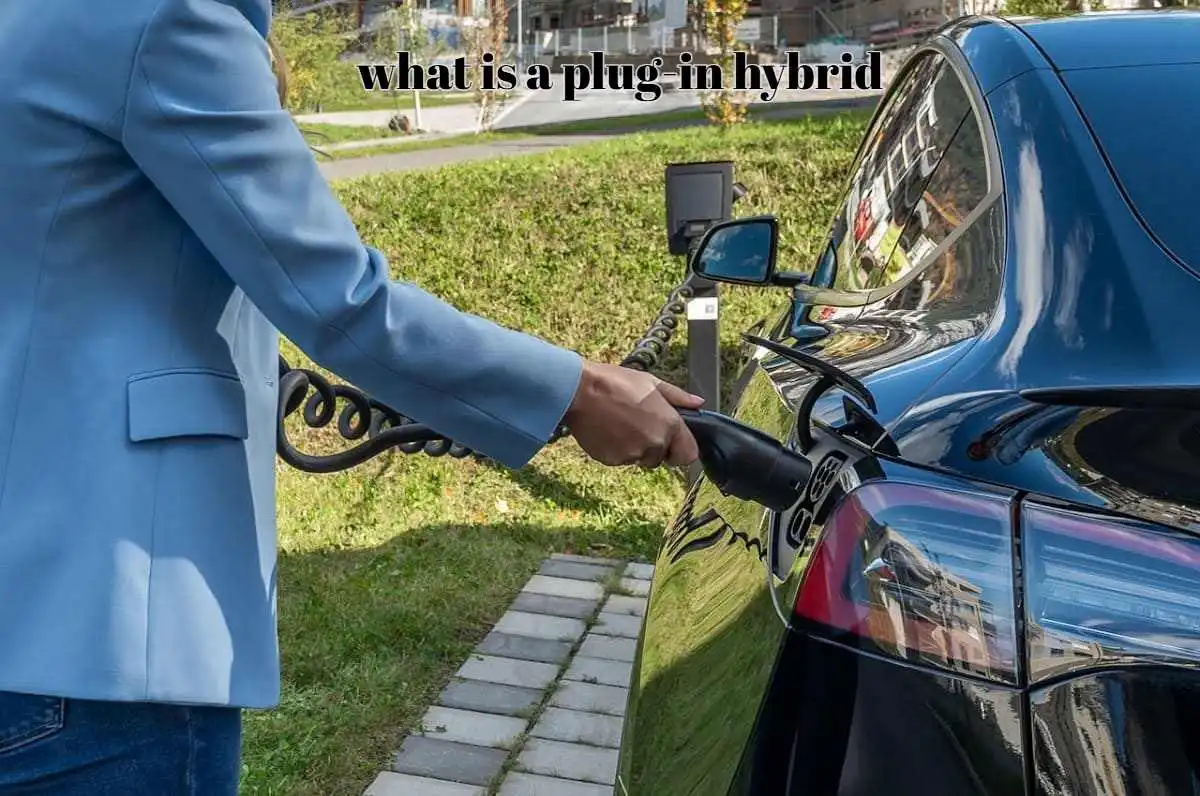
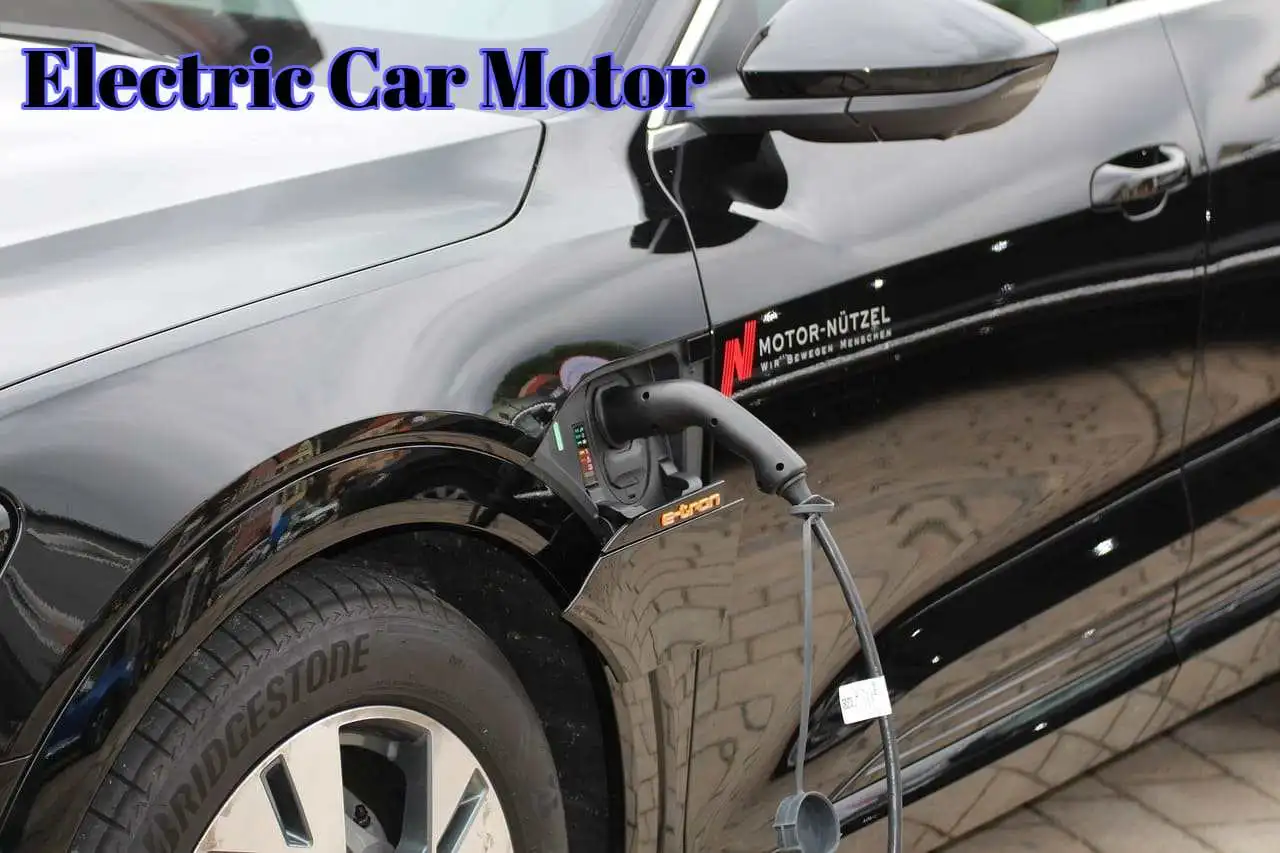
Sustainability is a major aspect of modern smart cars. Electric vehicles (EVs) and hybrids are standard, reducing greenhouse gas emissions. Advanced regenerative braking systems convert kinetic energy into electrical power, improving efficiency and range.
Lightweight materials such as carbon fiber and aluminum decrease energy consumption and improve performance. Solar-assisted charging panels supplement battery power in some models. Smart energy management systems optimize battery usage, power distribution, and energy recovery, extending the driving range while reducing environmental impact.
Governments worldwide encourage adoption through tax incentives, subsidies, and expanding EV infrastructure, making eco-friendly smart cars more practical and attractive for consumers.
Table 3: Eco-Friendly Smart Technologies Comparison
| Feature | Standard Cars | Smart Cars 2025 | Benefits |
| Powertrain | Gasoline | Electric/Hybrid | Reduced emissions |
| Regenerative Braking | No | Yes | Energy efficiency & battery recharge |
| Lightweight Materials | Steel | Aluminum/Carbon Fiber | Fuel & energy savings |
| Solar Panels | No | Optional | Extended battery life & sustainability |
| Smart Energy Management | No | Yes | Optimizes range and efficiency |
Future Innovations in Smart Cars
The future of smart cars involves enhanced AI, 5G connectivity, and V2X (vehicle-to-everything) communication. Vehicles will interact with each other and traffic infrastructure to improve traffic flow, avoid accidents, and enhance urban mobility.
Personalized AI assistants will learn driver preferences, suggest optimal routes, and automatically adjust cabin settings. Advanced sensors will detect environmental changes, such as rain, snow, or fog, and adjust braking, traction, and lighting systems.
Further innovations include solid-state batteries, autonomous ride-sharing, and renewable energy integration, all contributing to a safer, more efficient, and eco-conscious transportation ecosystem.
Conclusion
Smart cars in 2025 combine AI, connectivity, advanced safety, and eco-friendly technologies to transform driving. Understanding these smart cars features explained allows consumers to make informed purchasing decisions and embrace the future of mobility. These innovations enhance safety, convenience, and environmental responsibility while redefining modern transportation.