

So what is a buzzer? It is one of those small things that almost everyone has heard but rarely thinks about. That sharp beep from a microwave, the alert in an exam hall, the sound that goes off when a machine finishes its job. Simple sound, clear message.
That is exactly where a buzzer comes in. It speaks without words and instantly captures attention. This guide breaks it down in a clear, straightforward way.
What Is a Buzzer and How Does It Actually Work?
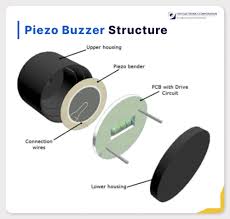
Alright, let’s put it in plain words. A buzzer is a small device that makes a sound when power is applied. That’s it. No screen, no message, no confusion. Electricity goes in, a sound comes out. That sound is meant to convey something like ‘stop,’ ‘done,’ ‘warning,’ or ‘hey, pay attention.’ When people ask what is a buzzer, this is the simplest way to explain it without overthinking. Inside the buzzer, something starts vibrating the moment electricity flows. Those vibrations move the air around, and our ears pick that up as sound. That is why it works even in the dark or from another room.
Why Buzzers Use Sound Instead of Anything Else
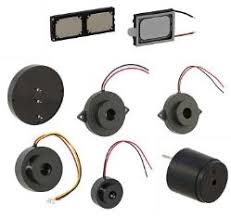
This is usually where it clicks for most people. Sound is fast. It doesn’t wait for someone to look at a screen. It doesn’t care if eyes are busy or hands are full. A sound buzzer cuts straight through everything. That is why electronic buzzers are used in alarms, machines, and everyday devices. Think about a microwave. Nobody stands there watching the timer hit zero. The beep tells the story—same thing with warning buzzers in factories or alert buzzers in security systems. The sound is the message.
The Common Types People Run Into
Not all buzzers behave the same, even if they sound similar.
Piezo Buzzer
A piezo buzzer is the small, sharp-sounding one. It is common in gadgets, calculators, and small electronics. It uses a special material that responds to an electric field and starts vibrating.
Magnetic Buzzer
A magnetic buzzer is a bit more old school and usually louder. These show up in alarm systems, doorbells, and industrial setups where the sound needs to travel farther.
Active Buzzer
Then there is the active buzzer, which starts making noise as soon as power is applied. No control needed.
Passive Buzzer
The passive buzzer is different. It waits for a signal and can produce different tones. This is why it is popular in Arduino projects and other embedded systems.
Where Buzzers Show Up in Daily Life
Once someone starts noticing, buzzers are everywhere—home appliances, exam halls, elevators, cars, and factories. A buzzer alarm might signal danger, while a notification buzzer confirms an action.
In machines, a buzzer signal tells operators that something has changed. In homes, a doorbell buzzer announces a visitor. Even modern smart devices still rely on buzzers because they are simple and reliable.
Why Buzzers Still Matter Today
Some people think buzzers are outdated. They really aren’t. They don’t need language, updates, or instructions. One sound equals one meaning.
That is why electric buzzers, audio alert devices, and alarm buzzers are still used even in advanced systems. When something needs attention right now, a buzzer gets the job done without asking twice.
Where Buzzers Are Used and Why They Matter
This part is actually easy to understand once it’s said out loud. Buzzers are used anywhere a quick sound is needed to grab attention without explaining anything: no screen, no reading, no thinking. Start at home. A buzzer on a doorbell alerts someone that a guest is outside. The electric buzzer in a microwave or oven lets everyone know the job is done. Nobody checks the display again and again; the sound does the work. Even washing machines and air fryers rely on a small beep to keep things moving.
Now shift to workplaces. In factories, a machine buzzer isn’t just noise. It’s a signal. Something finished, something failed, or something needs fixing right now. A warning buzzer saves time and sometimes prevents accidents because workers react immediately upon hearing it.
Public places use buzzers more than people realize. Exam halls use them to start and stop papers. Parking systems use a signal buzzer to guide cars. Elevators use short beeps to confirm button presses or door movement. These sounds feel normal because they’ve been around forever. Even modern electronics still depend on them. In small tech projects and embedded systems, a piezo buzzer or passive buzzer gives instant feedback. Press a button, hear a sound, and you know it worked—simple confirmation, no confusion.
So why do buzzers still matter when everything is smart now? Because sound is immediate, it doesn’t wait for someone to look or read. A buzzer alarm works in the dark, in noise, and in busy moments. That reliability keeps audio alert devices and alarm buzzers relevant everywhere.
In the end, buzzers are used because they make sense. They say one thing clearly and say it fast. And sometimes, that’s all a system really needs.
Conclusion
So when it comes down to it, understanding what a buzzer is is not complicated at all. It is simply a small device with a big responsibility. It uses sound to communicate quickly, clearly, and without distractions. From homes to factories, from basic electronics to modern systems, buzzers keep things moving smoothly. They are trusted because they work every time, without needing screens, updates, or explanations: simple sound, clear message, job done.
Frequently Asked Questions
Q: What is a buzzer used for
Answer: A buzzer is used to give an audio signal. It can warn, alert, confirm an action, or signal completion. That is why buzzers in electronics, alarms, machines, and appliances are so common.
Q: How does an electric buzzer work
Answer: It is so simple: an electric buzzer converts electrical energy into sound. When current flows through it, internal parts vibrate and produce a buzzing or beeping sound.
Q: What is the difference between active and passive buzzers
Answer: An active buzzer makes a sound as soon as power is applied. A passive buzzer needs an external signal to control the sound. Passive ones are often used in Arduino and embedded systems.
Q: Where are buzzers commonly found
Answer: They are almost everywhere. Buzzers are found in doorbells, alarm systems, home appliances, elevators, exam halls, factories, cars, and electronic projects. Anywhere quick sound feedback is needed, a buzzer fits the bill, so we can say they’re mostly found in electronics.
Q: Are piezo buzzers better than magnetic buzzers
Answer: It depends on the use. A piezo buzzer is smaller and uses less power, making it good for compact devices. A magnetic buzzer is usually louder and better for alarms and industrial use.
Q: Why are buzzers still used in modern technology
Answer: Because they are super reliable, cheap, and effective. A buzzer alarm works instantly without needing visuals or language, which keeps it relevant even in smart devices.