
The automotive industry is rapidly evolving in 2025, with advanced technologies redefining how we drive. From smart connectivity to electric propulsion and AI-powered systems, modern vehicles are safer, more efficient, and more convenient than ever. This article explores the latest car technology 2025, highlighting key innovations and trends shaping the future.
Smart Connectivity Features in Modern Cars
Modern cars are increasingly equipped with smart connectivity features that enhance comfort, convenience, and safety. Vehicles now integrate with smartphones through systems like Apple CarPlay and Android Auto, allowing drivers to control navigation, music, and calls safely.
Some cars offer in-car Wi-Fi, real-time traffic updates, and cloud-based infotainment, providing a seamless driving experience. Smart dashboards with touchscreens, voice control, and AI-powered assistants make it easier for drivers to access information without distraction.
Key Innovations:
- Voice-activated navigation and commands
- Cloud-connected infotainment systems
- Smartphone integration and remote vehicle control
Table 1: Smart Connectivity Features Comparison
| Feature | Standard Cars | Latest Cars 2025 | Benefit |
| Voice Control | Limited | Advanced AI | Hands-free operation |
| Infotainment | Basic | Cloud-connected | Real-time updates |
| Smartphone Integration | Optional | Full compatibility | Remote control, safety |
Electric Vehicle Innovations
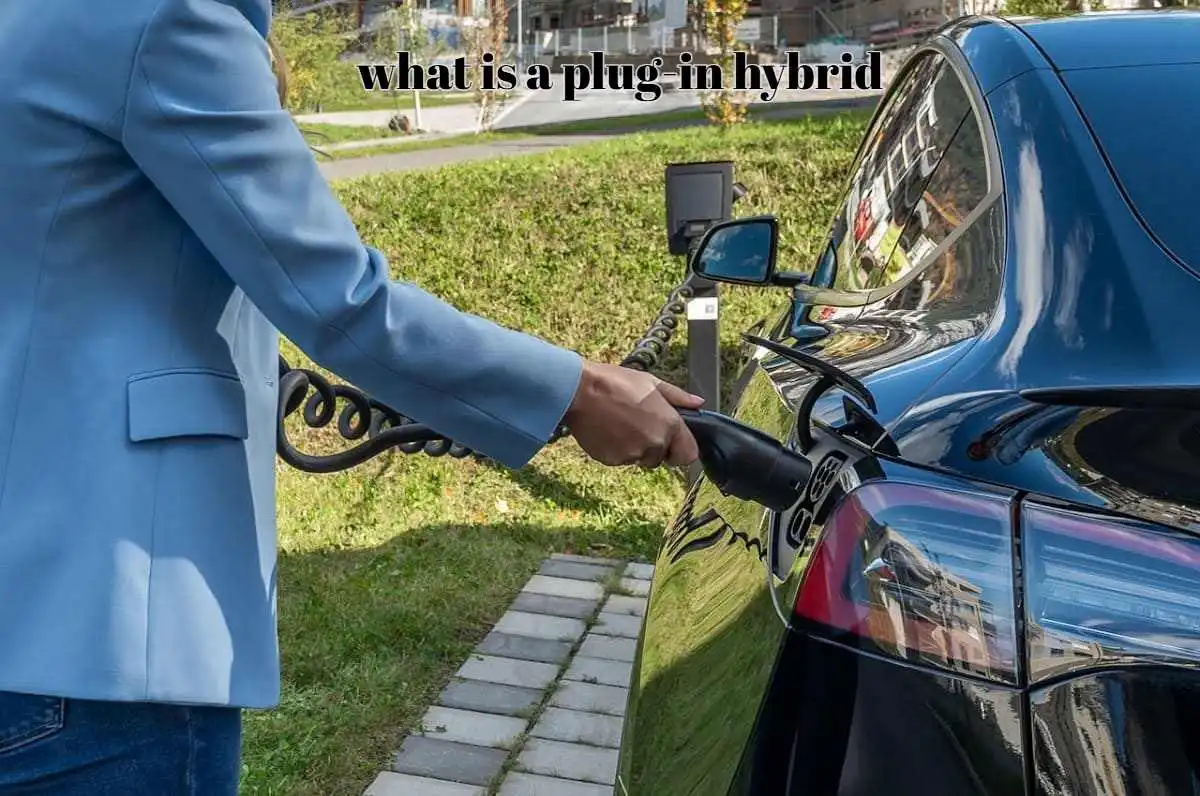
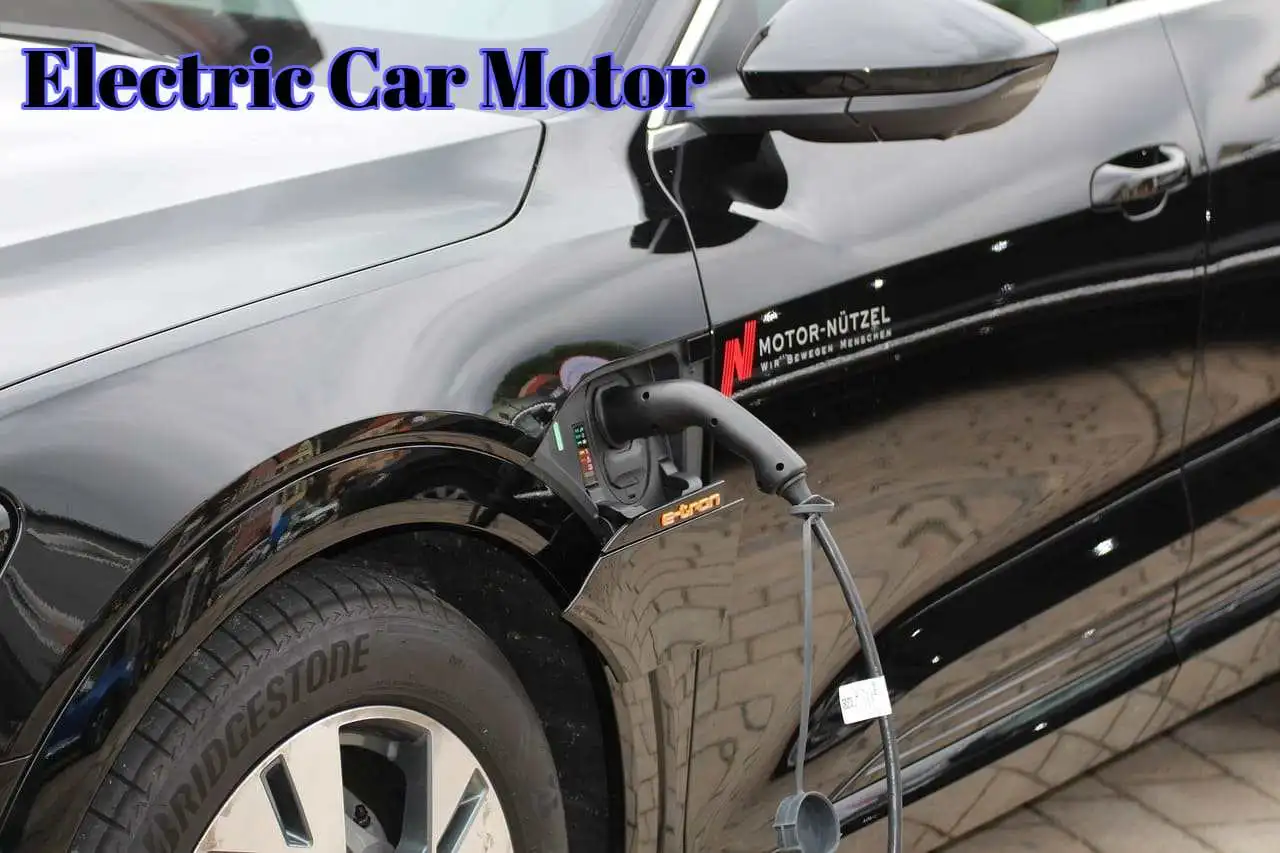
Electric vehicles (EVs) dominate the latest car technology 2025, offering sustainable alternatives to traditional combustion engines. Innovations include longer battery life, faster charging, and improved efficiency.
Modern EVs come with regenerative braking systems, advanced battery management, and integrated charging networks. Automakers are also introducing solid-state batteries, which provide higher energy density and shorter charging times. EV adoption is increasing due to environmental benefits and government incentives.
Table 2: EV Battery & Charging Innovations
| Technology | Feature | Advantage |
| Lithium-ion | Standard | Reliable & widespread |
| Solid-state | Emerging | Higher energy density |
| Fast Charging | <30 min | Convenience & efficiency |
AI Integration in Automobiles
Artificial intelligence (AI) is revolutionizing cars by enabling autonomous driving, predictive maintenance, and intelligent decision-making. AI systems use sensors, cameras, and radar to detect obstacles, pedestrians, and other vehicles in real-time.
Machine learning algorithms improve vehicle performance, fuel efficiency, and route planning. AI integration also enhances passenger comfort through personalized driving profiles, climate control, and entertainment preferences.
Key AI Applications:
- Autonomous driving assistance
- Predictive maintenance alerts
- Adaptive cruise control
Safety and Advanced Driver Assistance Systems (ADAS)
Safety remains a primary focus in latest car technology 2025. ADAS features help drivers avoid accidents and reduce fatalities. These include lane departure warnings, automatic emergency braking, blind-spot monitoring, and adaptive lighting.
High-end vehicles now combine multiple ADAS systems with AI, ensuring proactive safety management. Vehicle-to-vehicle (V2V) and vehicle-to-infrastructure (V2I) communications allow cars to share real-time information, preventing collisions in urban traffic.
Table 3: ADAS Features Comparison
| Feature | Standard Cars | Latest Cars 2025 | Benefit |
| Lane Assist | Basic | AI-enhanced | Prevents drifting accidents |
| Emergency Braking | Manual | Autonomous | Reduces collision risks |
| Blind-spot Detection | Optional | Standard | Safer lane changes |
Eco-Friendly Automotive Technologies
Sustainability is a major driver of automotive innovation. Latest car technology 2025 focuses on reducing emissions, improving fuel efficiency, and using recyclable materials.
Hybrid vehicles combine gasoline and electric power for efficiency, while hydrogen fuel cells offer zero-emission alternatives. Lightweight materials like carbon fiber and aluminum reduce energy consumption, while solar-powered features contribute to onboard energy efficiency.
Conclusion
The latest car technology 2025 represents a remarkable transformation in the automotive industry. Smart connectivity, EV innovations, AI integration, and advanced safety systems make driving safer, efficient, and environmentally friendly. Understanding these technologies helps consumers make informed decisions and embrace the future of mobility.