AI technology in automobiles is reshaping the future of transportation in 2025. From intelligent safety systems to autonomous driving and personalized experiences, artificial intelligence enables vehicles to think, learn, and react in real time. Understanding how AI works in cars helps consumers appreciate smarter, safer, and more efficient mobility.
Key Takeaways
- AI technology in automobiles improves safety, efficiency, and driving comfort.
- Intelligent systems help vehicles detect risks and prevent accidents.
- AI-powered automation is bringing cars closer to full autonomy.
- Predictive maintenance and personalization enhance ownership experience.
- AI-driven vehicles represent the future of smart and connected transportation.
Role of AI Technology in Modern Automobiles
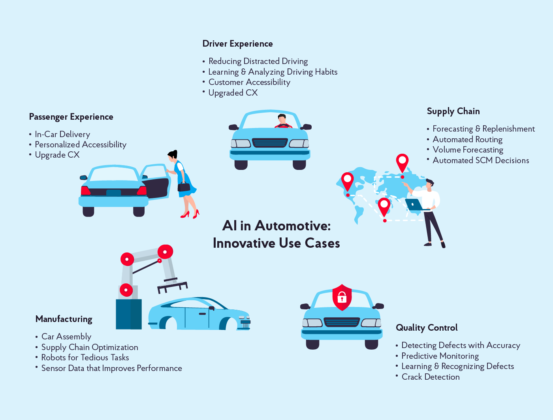
AI technology in automobiles acts as the vehicle’s brain, processing massive amounts of data from cameras, sensors, radar, and onboard systems. Unlike traditional vehicles that rely on fixed programming, AI-powered cars continuously learn from real-world driving conditions. This allows vehicles to adapt to traffic patterns, road behavior, and driver habits.
Modern automobiles use machine learning algorithms to analyze driving behavior, recognize objects, and make split-second decisions. For example, AI can detect pedestrians, cyclists, and vehicles faster than human reflexes. It can also anticipate dangerous situations, such as sudden braking ahead or vehicles entering blind spots. Automotive manufacturers increasingly depend on AI to enhance safety, efficiency, and overall performance, making vehicles smarter with every mile driven.
AI-Powered Safety and Driver Assistance Systems
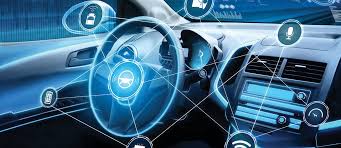
Safety is one of the most impactful applications of AI technology in automobiles. An Advanced Driver Assistance System (ADAS) relies heavily on AI to assist drivers and reduce accidents. These systems include lane departure warnings, adaptive cruise control, collision avoidance, traffic sign recognition, and emergency braking.
AI continuously evaluates road conditions and surrounding objects. If a potential hazard is detected, the system alerts the driver or automatically intervenes. Driver monitoring systems also use AI to track eye movement, head position, and facial expressions to detect fatigue or distraction. When signs of drowsiness appear, the vehicle can issue alerts or recommend rest breaks.
Research shared by automotive safety authorities shows that AI-assisted safety systems significantly reduce collision rates. As these technologies evolve, vehicles are becoming proactive protectors rather than passive machines.
Table 1: AI-Based Safety Features in Automobiles
| AI Feature | Function | Safety Benefit |
| Automatic Emergency Braking | Stops the car in danger | Prevents severe collisions |
| Lane Keeping Assist | Corrects steering | Avoids lane departure |
| Driver Monitoring | Detects fatigue | Reduces drowsy driving accidents |
| Blind Spot Detection | Identifies hidden vehicles | Safer lane changes |
| Traffic Sign Recognition | Reads road signs | Improves compliance and awareness |
Autonomous Driving and AI Decision-Making
Autonomous driving is the most advanced application of AI technology in automobiles. Self-driving cars use AI to interpret sensor data, map surroundings, predict movement, and make driving decisions without human input. These vehicles rely on deep learning models trained on millions of miles of driving data.
AI enables cars to recognize traffic signals, navigate intersections, adjust speed, and avoid obstacles. While fully autonomous vehicles are still under development, many cars in 2025 already offer semi-autonomous features, such as highway autopilot and self-parking systems.
AI decision-making systems continuously evaluate multiple scenarios simultaneously, choosing the safest and most efficient option. This ability to process complex situations faster than humans makes AI-driven autonomy one of the most promising advancements in automotive technology.
AI in Vehicle Personalization and User Experience
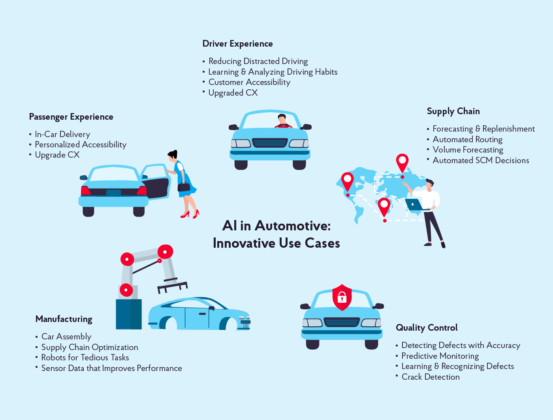
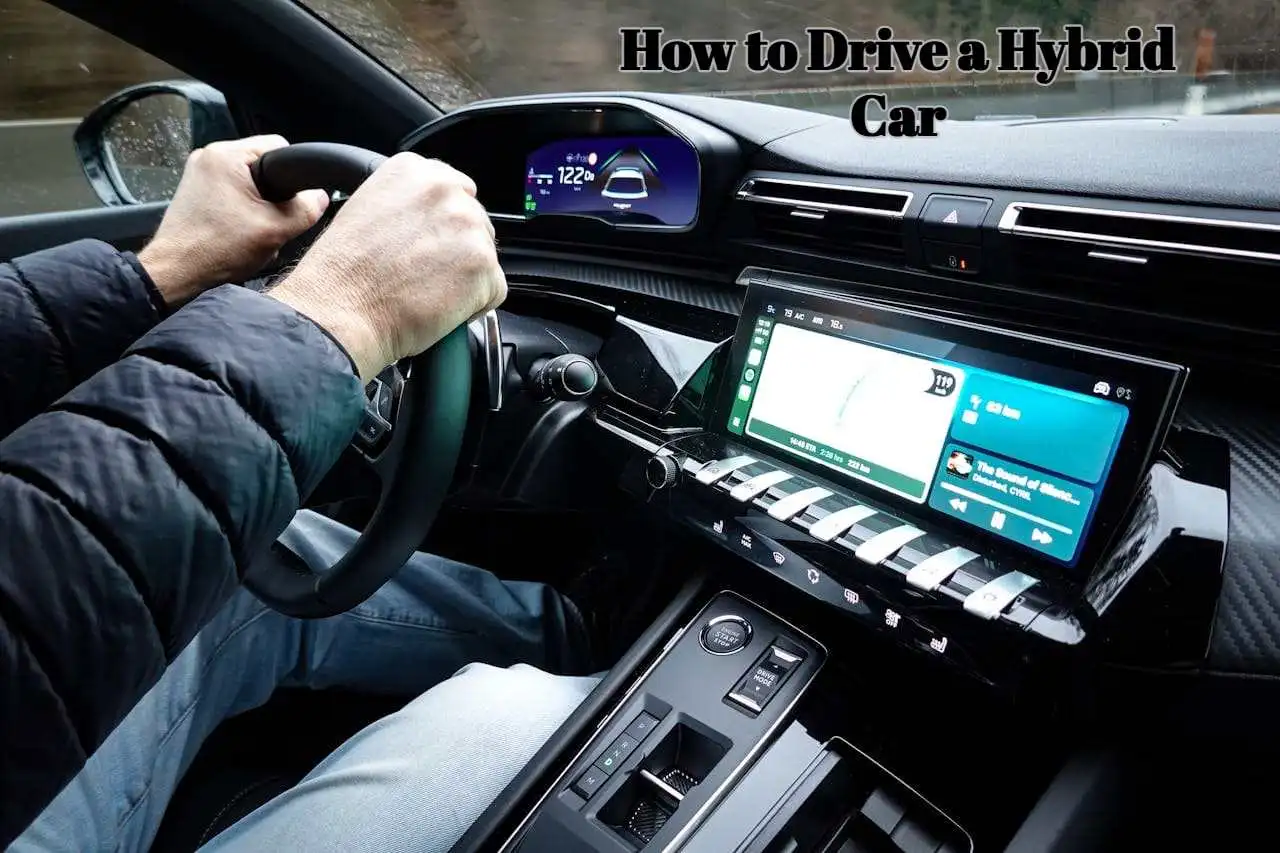
AI technology in automobiles also enhances comfort and personalization. Smart vehicles learn driver preferences over time and automatically adjust seat position, climate control, lighting, and infotainment settings. Voice assistants powered by AI allow drivers to control navigation, music, calls, and vehicle functions hands-free. AI-powered infotainment systems recommend routes based on traffic, suggest nearby restaurants, and adapt music playlists to mood or driving conditions. Over time, the vehicle becomes a personalized assistant rather than just a mode of transport. This level of customization improves driving satisfaction and reduces distractions, allowing drivers to focus more on the road while enjoying a tailored experience.
Table 2: AI Personalization Features in Cars
| Feature | AI Function | User Benefit |
| Voice Assistants | Natural language processing | Hands-free control |
| Smart Climate Control | Learns preferences | Improved comfort |
| Predictive Navigation | Analyzes traffic data | Faster travel times |
| Adaptive Infotainment | Learns user behavior | Personalized entertainment |
Predictive Maintenance and Vehicle Health Monitoring
One of the most practical uses of AI technology in automobiles is predictive maintenance. AI systems monitor engine performance, battery health, brake wear, tire pressure, and sensor functionality in real time. Instead of waiting for a breakdown, AI predicts potential issues and alerts drivers early.
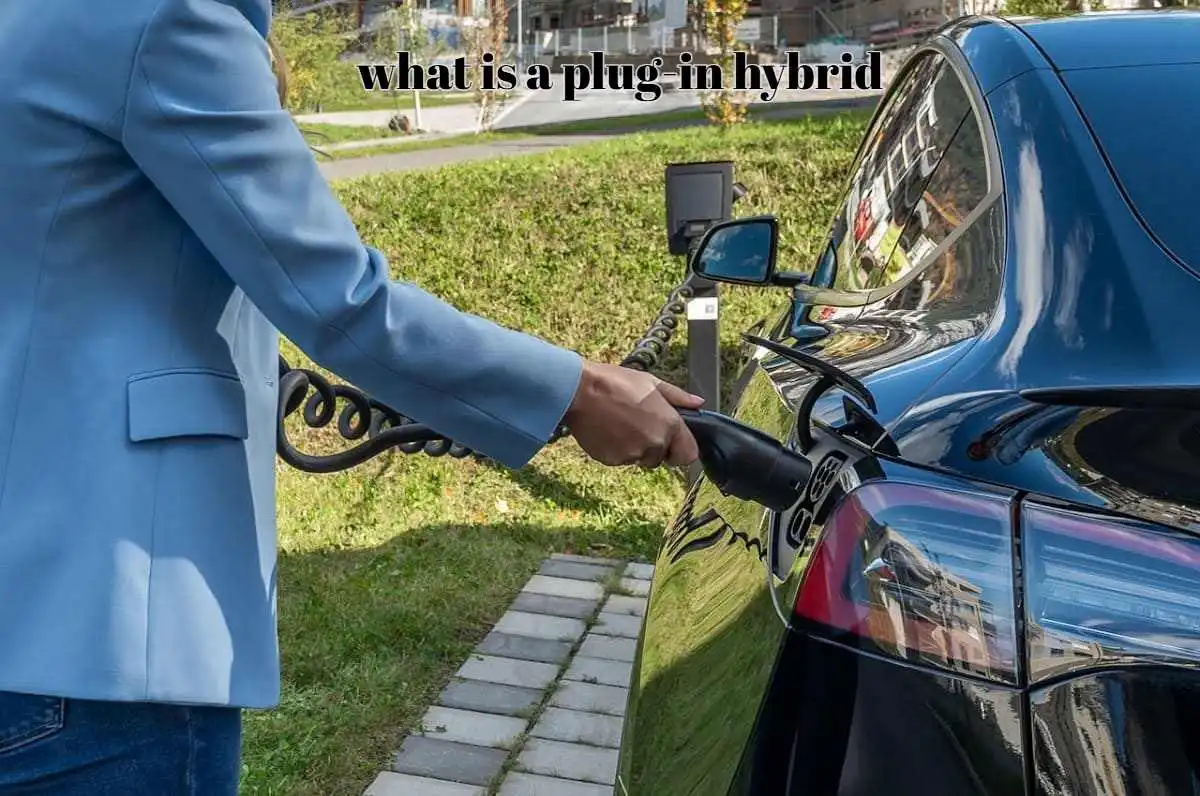
For electric and hybrid vehicles, AI plays a crucial role in battery management. It optimizes charging cycles, prevents overheating, and extends battery lifespan. Predictive diagnostics reduce maintenance costs, prevent unexpected failures, and increase vehicle reliability.
Manufacturers and fleet operators benefit from AI-driven analytics that identify patterns across thousands of vehicles, improving design and long-term durability.
AI and Connectivity in Smart Vehicles
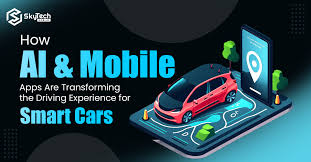
Connectivity enhances the power of AI technology in automobiles. Connected vehicles share data with cloud platforms, enabling real-time traffic updates, software improvements, and remote diagnostics. AI analyzes this data to improve navigation accuracy and driving efficiency.
Vehicle-to-vehicle (V2V) and vehicle-to-infrastructure (V2I) communication allow cars to exchange safety information instantly. For example, if one vehicle detects icy roads or sudden braking, nearby vehicles receive warnings. This connected intelligence creates a cooperative driving environment that significantly improves road safety.
Table 3: AI Connectivity Features
| Technology | Purpose | Advantage |
| Cloud AI Processing | Data analysis | Continuous system improvement |
| V2V Communication | Vehicle alerts | Accident prevention |
| V2I Communication | Infrastructure data | Smarter traffic management |
OTA Updates |
Software upgrades | Always up-to-date systems |
Ethical and Security Challenges of AI in Automobiles
Despite its benefits, AI technology in automobiles presents challenges. Data privacy is a significant concern, as vehicles collect vast amounts of personal and behavioral data. Manufacturers must ensure secure data storage and ethical usage. Cybersecurity is another critical issue. Connected AI systems can be vulnerable to hacking if not adequately protected. Automakers are investing heavily in encryption, secure software architectures, and regular updates to safeguard vehicles from cyber threats. Regulations and ethical frameworks are evolving to ensure AI decision-making prioritizes human safety and transparency.
Future of AI Technology in Automobiles
The future of AI in automobiles centers on full autonomy, emotional intelligence, and deeper integration with smart cities. AI will soon recognize driver emotions, adapt driving styles, and communicate seamlessly with traffic systems. Future vehicles will coordinate with public infrastructure, reduce congestion, and minimize environmental impact. As AI models improve, vehicles will become safer, more efficient, and more intuitive, fundamentally transforming mobility worldwide.
Conclusion
AI technology in automobiles is revolutionizing how vehicles operate, interact, and protect drivers. From intelligent safety systems to autonomous driving and personalized experiences, AI is shaping the future of transportation. As innovation continues, AI-powered vehicles will deliver safer, smarter, and more sustainable mobility for everyone.