Hybrid cars are becoming increasingly popular due to their excellent fuel efficiency, reduced emissions, and smooth driving experience. However, many drivers feel confused when driving a hybrid car for the first time because it works differently from a traditional petrol vehicle.
This detailed guide explains how to drive a hybrid car properly, covering everything from starting the car to maximizing fuel efficiency and avoiding common mistakes.
What Is a Hybrid Car and How Does It Work in Everyday Driving?
A hybrid car is a vehicle that uses two power sources: an internal combustion engine (petrol) and an electric motor. These two systems work together to improve fuel efficiency and reduce fuel consumption. At low speeds, such as in city traffic, the car usually runs on electric power. When higher speed or extra power is needed, the petrol engine automatically turns on. The hybrid system is fully automatic, meaning the driver does not need to manually switch between petrol and electric modes. The vehicle’s computer decides the most efficient power source based on speed, driving conditions, and battery level. This smart system makes hybrid cars ideal for daily commuting and urban driving.
Understanding Hybrid Car Controls and Dashboard Indicators Before Driving
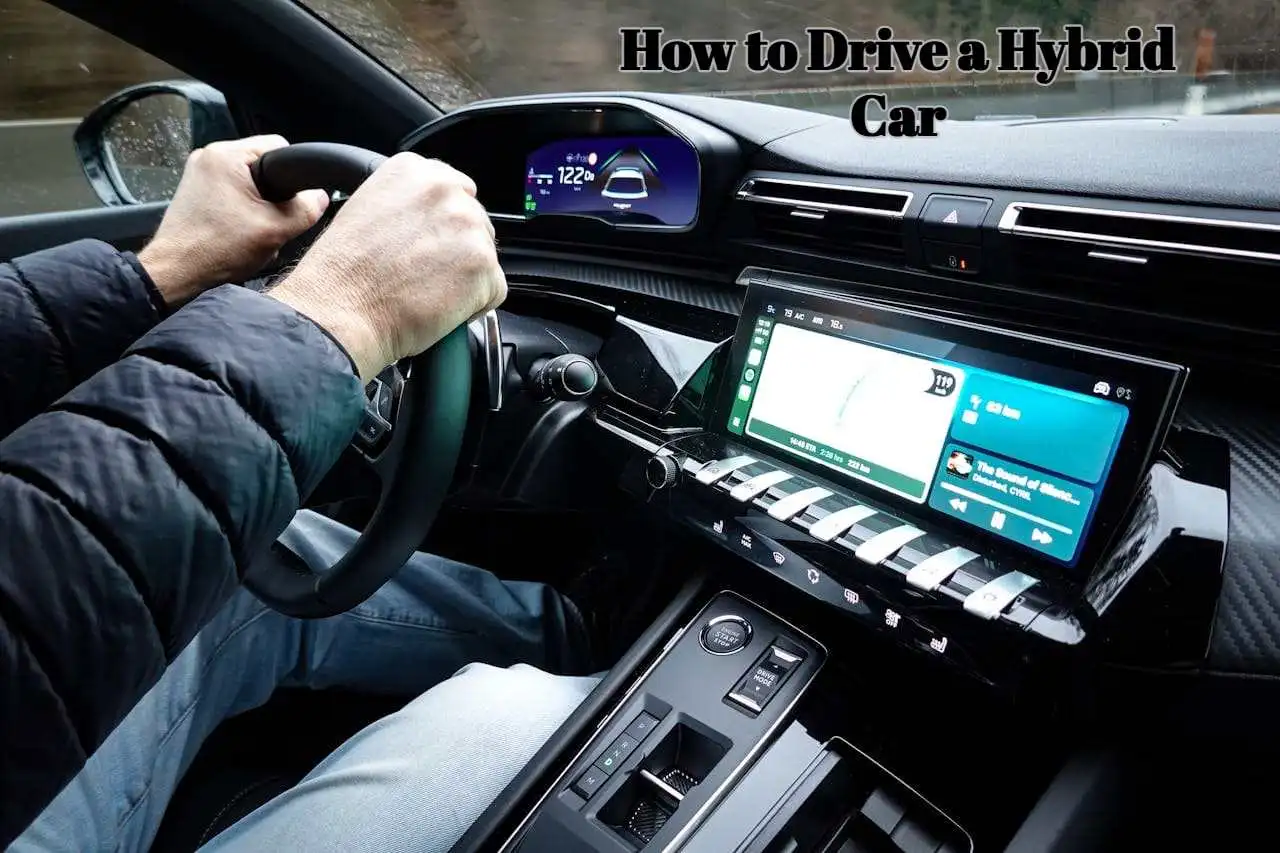
Before driving a hybrid car, it is important to understand its controls and dashboard indicators. Most hybrid cars have similar controls to automatic vehicles, but they include extra displays and modes. One of the most important indicators is the “READY” light, which confirms that the car is fully powered and ready to drive, even if there is no engine sound. Hybrid vehicles also feature an energy monitor screen that shows how energy flows between the battery, motor, and engine. This screen helps drivers understand when the car is using electric power or charging the battery. Additionally, hybrid cars offer multiple driving modes such as Eco, Normal, and Sport, which allow drivers to adjust performance and fuel usage.
How to Start a Hybrid Car Correctly Without Confusion?
Starting a hybrid car is simple but slightly different from starting a conventional car. First, press the brake pedal firmly, then press the power or start button. The engine may remain silent, which is completely normal. The key thing to check is the “READY” indicator on the dashboard. Once the READY sign appears, shift the gear into Drive (D) and gently press the accelerator. The car will move smoothly, often using electric power at low speeds. There is no need to press the accelerator while starting the car, as this can reduce efficiency and cause unnecessary engine activation.
How to Drive a Hybrid Car Smoothly for Maximum Fuel Efficiency?
Smooth driving is one of the most important habits when driving a hybrid car. Gentle acceleration allows the electric motor to operate longer, saving fuel. Sudden acceleration forces the petrol engine to turn on quickly, increasing fuel consumption. Maintaining a steady speed and avoiding aggressive driving helps the hybrid system work efficiently. Smooth driving also reduces wear on the engine, battery, and braking system. Over time, this driving style leads to better mileage and lower maintenance costs.
Using Electric Mode Properly to Save Fuel and Reduce Emissions
Electric mode is one of the biggest advantages of hybrid cars. At low speeds and during short trips, the car often runs entirely on electric power. To maximize electric mode usage, drivers should apply light pressure on the accelerator and avoid sudden speed changes. Electric mode works best in city traffic, parking areas, and residential roads. However, drivers should not force electric mode or try to drain the battery completely. The hybrid system is designed to balance battery usage automatically to ensure long-term performance and reliability.
How Regenerative Braking Works and How to Use It Effectively?
Hybrid cars use regenerative braking, a system that converts braking energy into electrical energy to recharge the battery. When the driver brakes gently, the electric motor acts as a generator and stores energy that would otherwise be wasted. To benefit from regenerative braking, drivers should brake early and smoothly instead of braking suddenly. This technique not only charges the battery but also extends the life of brake pads, making hybrid cars more economical over time.
Choosing the Best Driving Mode: Eco, Normal, and Sport Explained
Most hybrid cars offer different driving modes. Eco Mode prioritizes fuel efficiency by limiting acceleration and optimizing energy use. This mode is ideal for daily city driving. Normal Mode provides balanced performance and is suitable for mixed driving conditions. Sport Mode delivers quicker acceleration and stronger engine response but consumes more fuel. This mode should only be used when extra power is necessary, such as overtaking on highways.
How to Drive a Hybrid Car Efficiently on Highways?
Highway driving requires a slightly different approach. Hybrid cars rely more on the petrol engine at high speeds, but efficiency can still be maintained. Drivers should keep a constant speed, use cruise control when possible, and avoid unnecessary lane changes. Sudden acceleration at high speeds increases fuel consumption. Smooth and steady highway driving helps the hybrid system operate efficiently and reduces fuel costs.
Driving a Hybrid Car in Traffic and Stop-and-Go Conditions
Traffic conditions are where hybrid cars perform best. Frequent stopping allows the electric motor to take over, and the petrol engine often shuts off automatically. This reduces fuel wastage and emissions significantly. Hybrid cars are ideal for city environments because they do not consume fuel while idling. Drivers can enjoy quieter rides and better mileage during heavy traffic.
Battery Care and Maintenance Tips for Long-Term Performance
Hybrid car batteries are designed to last many years, but proper care is still important. Regular servicing ensures that the battery cooling system works efficiently. Drivers should avoid leaving the car unused for long periods and follow the manufacturer’s maintenance schedule. There is no need to worry about daily charging in self-charging hybrids, as the battery is automatically charged during driving and braking.
Common Mistakes to Avoid When Driving a Hybrid Car
Some drivers treat hybrid cars like sports vehicles, which reduces efficiency. Hard acceleration, frequent use of sport mode, and aggressive braking are common mistakes. Ignoring dashboard indicators and energy monitors also prevents drivers from optimizing their driving habits. Avoiding these mistakes ensures better fuel economy and longer battery life.
Is Driving a Hybrid Car Different from a Petrol or Diesel Car?
Driving a hybrid car feels very similar to driving an automatic petrol car. The main difference is the silent operation at low speeds and the focus on smooth driving. Once drivers understand how the hybrid system works, driving becomes effortless and enjoyable.
Tips for First-Time Hybrid Car Drivers
New hybrid drivers should start with Eco Mode, monitor energy flow on the dashboard, and practice gentle braking and acceleration. Short trips are ideal for learning how electric mode works. With time, drivers naturally develop habits that improve fuel efficiency and driving comfort.
Conclusion
Driving a hybrid car is simple, efficient, and environmentally friendly when done correctly. By understanding how the hybrid system works and adopting smooth driving habits, drivers can enjoy excellent fuel economy, reduced emissions, and lower running costs. Hybrid cars are a smart choice for modern drivers who want performance, savings, and sustainability in one vehicle.
FAQs
Is it hard to drive a hybrid car for beginners?
- No, hybrid cars are easy to drive and work just like automatic cars.
Do hybrid cars need to be plugged in daily?
- No, self-charging hybrids recharge automatically while driving.
Can hybrid cars save money in the long run?
- Yes, they reduce fuel costs, maintenance expenses, and brake wear.