


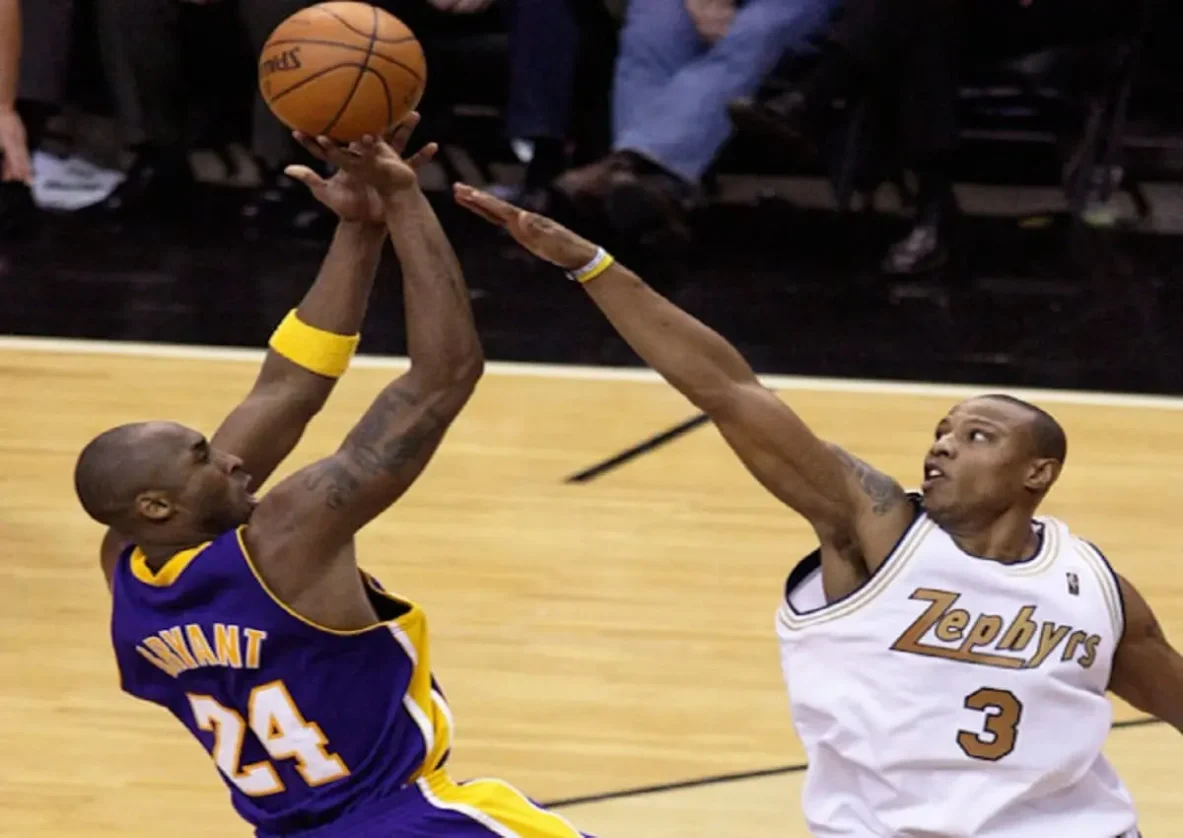
So when people ask what is a buzzer beater, the simplest way to explain it is this, it is a shot that leaves a player’s hand before the game clock hits zero and goes in. The buzzer can sound while the ball is still in the air; that part is completely fine. What matters is the release, not when the ball lands.
This usually comes up in basketball, where timing is everything. A single second can change the score, the mood, and sometimes an entire season. When the clock is running down and there is no time left for another play, that shot becomes do or die.
Why Timing Matters So Much?
Here is where things get interesting. Not every last second shot is a buzzer beater. If the ball leaves the shooter’s fingers even a split second late, the basket does not count. That is why referees slow everything down after these moments, checking fingertips, clock lights, and frame by frame footage.
This is also why a buzzer beater shot feels different from a normal basket. The pressure is unreal. Defenders are close, the crowd is loud, and the shooter knows there is no second chance. A true game winning buzzer beater means the score changes and the game ends immediately. No reply, no timeout, no recovery.
People sometimes confuse clutch shots with buzzer beaters. A clutch shot can happen with a few seconds left. A buzzer beater in basketball happens when time fully runs out. That zero on the clock is what makes it special.
That split second difference is why the term carries so much weight. It is not just about scoring; it is about beating time itself.
How Buzzer Beaters Actually Happen in Real Games?
People sometimes think a buzzer beater is pure luck, like someone just throws the ball and hopes for the best. In reality, there is usually a lot going on behind that final shot. Coaches plan for these moments, players practice them, and teams know exactly how little time they have.
The Role of Game Awareness
One big reason some players hit more buzzer beaters in basketball than others is awareness. They know the clock without looking.
They understand:
- how many seconds are left
- where the best shooting spot is
- how long their shooting motion takes
- when to release before the buzzer sounds
That awareness turns panic into control. Instead of rushing blindly, the player moves with purpose, even when the arena feels like it is exploding.
Set Plays vs Chaos Moments
Not every buzzer beater shot comes from a clean play. Some are drawn up in timeouts, others are pure chaos.
Here is how they usually break down
- Set plays, where a shooter is chosen in advance and screens are used
- Broken plays, where a pass gets tipped and someone reacts fast
- Isolation plays, where one player creates space alone
- Desperation heaves, usually from half court or beyond
A last second shot from a set play looks smooth. A desperation one looks wild. Both count the same if the timing is right.
Why Defense Often Fails at the End
Defense gets harder in the final seconds, not easier. Everyone knows the shot is coming, but stopping it is another story.
Common reasons defenses break down
- Overhelping and leaving a shooter open
- Miscommunication during switches
- Fear of fouling on a potential game winning shot
- Poor clock awareness by defenders
That is why a game winning buzzer beater often feels shocking. The defense is there, but one tiny mistake is all it takes.
Replay Reviews and Final Decisions
Modern basketball relies heavily on replay during these moments. Officials check
- the exact release time
- the game clock light
- hand position on the ball
Sometimes a crowd celebrates, then goes silent after review. Other times the basket stands and the chaos doubles. This replay process has become a major part of defining what is a buzzer beater in today’s game.
In the end, these shots are a mix of preparation, pressure, and timing. It looks fast, but behind that one second moment is a whole lot of thinking happening all at once.
Conclusion
So after breaking it all down, what is a buzzer beater is not just a flashy phrase people throw around during close games. It is a moment where timing, control, and confidence all collide. One clean release before the clock hits zero can flip the result instantly. That is why these shots stay in memory long after the game ends. They are fast, tense, and final. No redo, no response, just the sound of the buzzer and the reaction that follows. Whether it is planned or pure instinct, a buzzer beater always feels bigger than the points it adds.
Frequently Asked Questions
Q What is a buzzer beater in simple words
Answer: A buzzer beater is a shot taken just before time runs out that still counts because the ball leaves the player’s hand before the buzzer sounds.
Q Does the ball have to go in before the buzzer
Answer: No. The ball can still be in the air when the buzzer goes off. Only the release timing matters.
Q Is a last second shot the same as a buzzer beater
Answer: Not always. A last second shot can happen with time still on the clock. A buzzer beater happens when the clock hits zero right after the release.
Q Why do referees review buzzer beater shots
Answer: Officials review them to confirm the ball was released before time expired. Even a tiny delay can change the decision.
Q Can buzzer beaters happen outside basketball
Answer: Yes. While basketball is the most common, similar last moment scoring situations happen in other timed sports too.
Feature Image: dearsportsfan.com