Drones have become common in both recreational and professional use, making nighttime drone activity more frequent than ever. While spotting a drone during the day is fairly simple, identifying one at night can be challenging due to low visibility and quiet surroundings. Understanding how to spot a drone at night helps protect your privacy, ensures safety, and increases awareness of your surroundings.
Why Drones Are Commonly Used at Night
Nighttime offers unique advantages for drone operators, including less air traffic, cooler temperatures, and dramatic visuals. Many photographers, surveyors, and hobbyists prefer flying after sunset. Some drones are used for inspections, security monitoring, or outdoor exploration, while others support advanced activities such as underwater exploration and fishing operations. With modern advancements, drones now work alongside technologies like underwater drone fishing, showing how aerial and underwater systems are becoming more connected and sophisticated.
Identifying Drone Lights in the Dark Sky
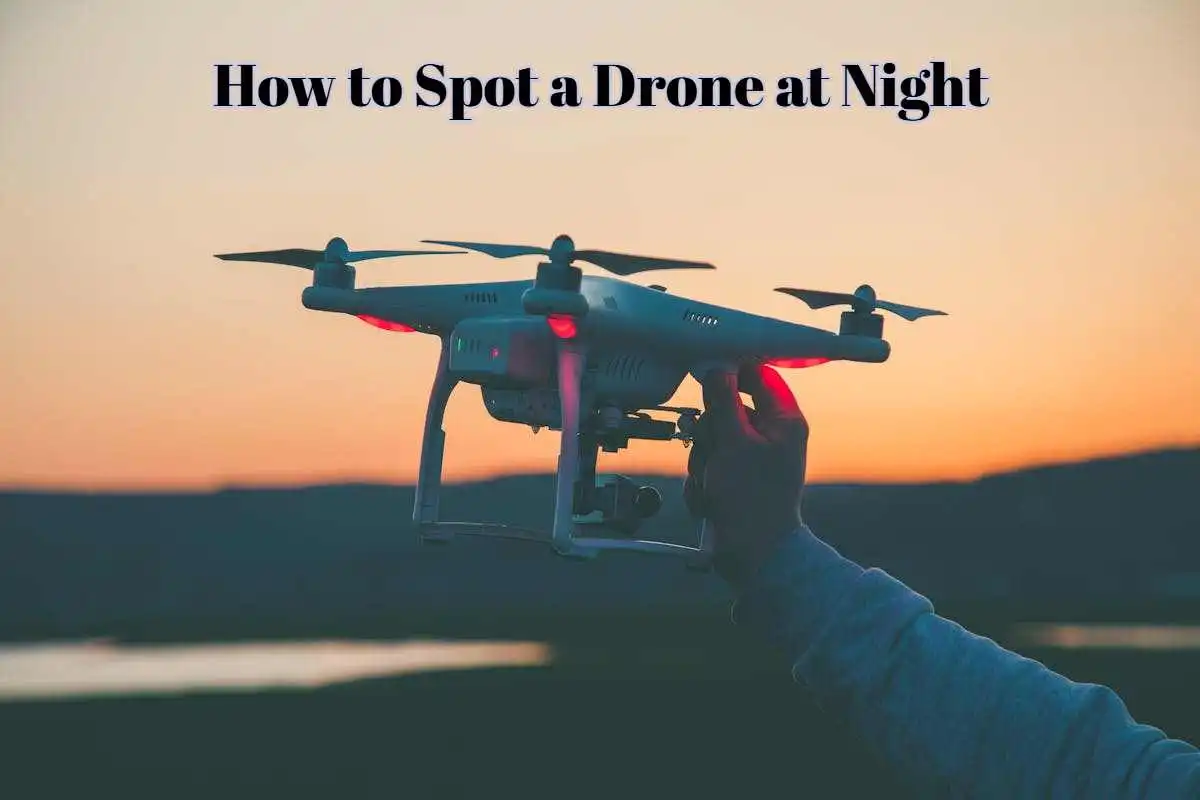
One of the most reliable ways to spot a drone at night is by observing lights. Most drones are equipped with LED navigation lights that help pilots maintain orientation. These lights are usually red, green, white, or blue and may blink or stay constant. Unlike stars or satellites, drone lights move slowly and can suddenly change direction or hover in one spot. If you notice a small, low-flying light that moves unpredictably, it is likely a drone rather than an aircraft.
Listening for Drone Sounds at Night
Sound plays a crucial role in nighttime drone detection. Drones emit a distinctive buzzing or humming noise caused by spinning propellers. At night, when ambient noise is lower, this sound can travel farther and become more noticeable. The sound of a drone is mechanical and steady, unlike insects or wind. If you hear a consistent buzzing that changes position or remains stationary above an area, it may indicate a hovering drone. This sound-based detection is especially helpful when visual cues are limited.
Recognizing Drone Movement Patterns
Drones have unique flight behaviors that make them easier to identify once you know what to look for. They can hover in place, fly sideways, ascend vertically, or stop abruptly. These movements are unnatural for birds or planes, particularly at night. Some drones are designed for precision tasks and may move slowly and deliberately, especially when being used to scout locations or support activities like choosing the best drone for fishing, where stability and controlled motion are essential.
Using Your Smartphone or Camera to Detect Drones
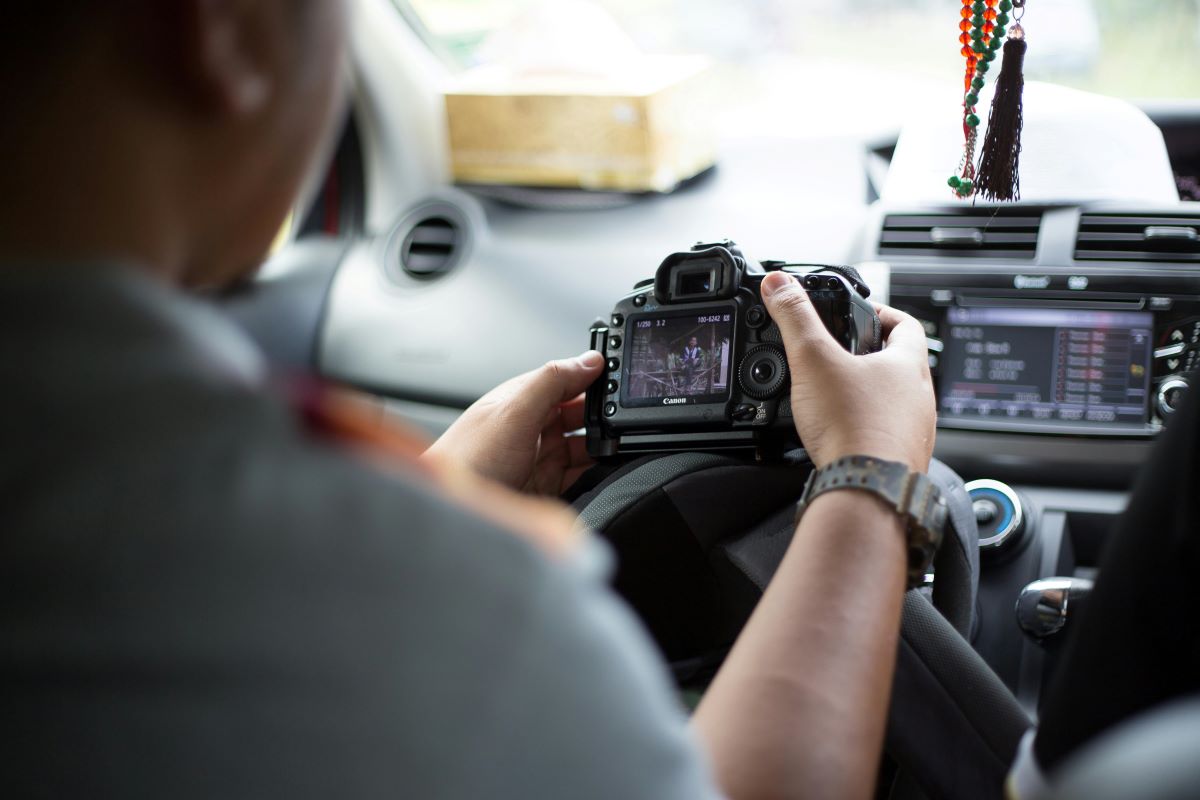
Modern smartphones can assist in spotting drones at night. Using night mode, zoom features, or video recording may reveal blinking lights or silhouettes that are difficult to see with the naked eye. Dedicated cameras with optical zoom or night vision capabilities are even more effective. These tools can help confirm whether an object is a drone and capture evidence if needed. This method is especially useful in rural or coastal areas where drones may operate at slightly higher altitudes.
Observing Altitude and Flight Range
Most consumer drones operate below 400 feet due to aviation regulations. If you notice an object flying low and slowly, especially below cloud level, it is unlikely to be a plane. Drones usually remain within visual range of the operator, even at night. In certain environments, drones may be paired with water-based technology such as an underwater drone with camera, making their aerial positioning more deliberate and easier to identify due to hovering behavior.
Environmental Clues That Indicate Drone Activity
Sometimes the environment can provide subtle hints of drone presence. Moving shadows, sudden reflections, or animals reacting unexpectedly may suggest a drone overhead. Pets often hear drones before humans due to their sensitive hearing. Outdoor motion sensors or security lights activating without a visible cause may also point toward a passing drone, especially if the activity repeats.
Using Drone Detection Apps and Technology
There are mobile apps and devices designed to detect drone signals by scanning radio frequencies or Wi-Fi connections. While not always accurate, these tools can support visual and audio observations. These apps are more effective in urban areas where drones rely on wireless connections. However, they should be used as a supplementary method rather than the sole means of detection.
Understanding Legal vs Illegal Drone Flights
Not every drone spotted at night is flying illegally. Many drones are operated legally for photography, inspections, or emergency services. Laws vary by country and region, but most require drones to follow altitude limits and avoid restricted airspace. If a drone appears to hover near windows or private property for extended periods, it may raise privacy concerns. Understanding local drone laws helps determine whether action is necessary.
What to Do If You Suspect a Drone Nearby
If you believe a drone is flying near your home at night, do not attempt to interfere with it physically. Taking down a drone can be dangerous and illegal. Instead, document what you observe, including time, duration, movement, and direction. Recording video or noting patterns can help if you need to report the activity to authorities. Staying calm and informed is always the safest approach.
Conclusion
Knowing how to spot a drone at night empowers you to stay aware and protect your privacy. By watching for unusual lights, listening for buzzing sounds, and recognizing distinctive movement patterns, you can identify drone activity more confidently. As drone technology continues to evolve across industries, awareness and understanding remain key to safe and responsible coexistence.