


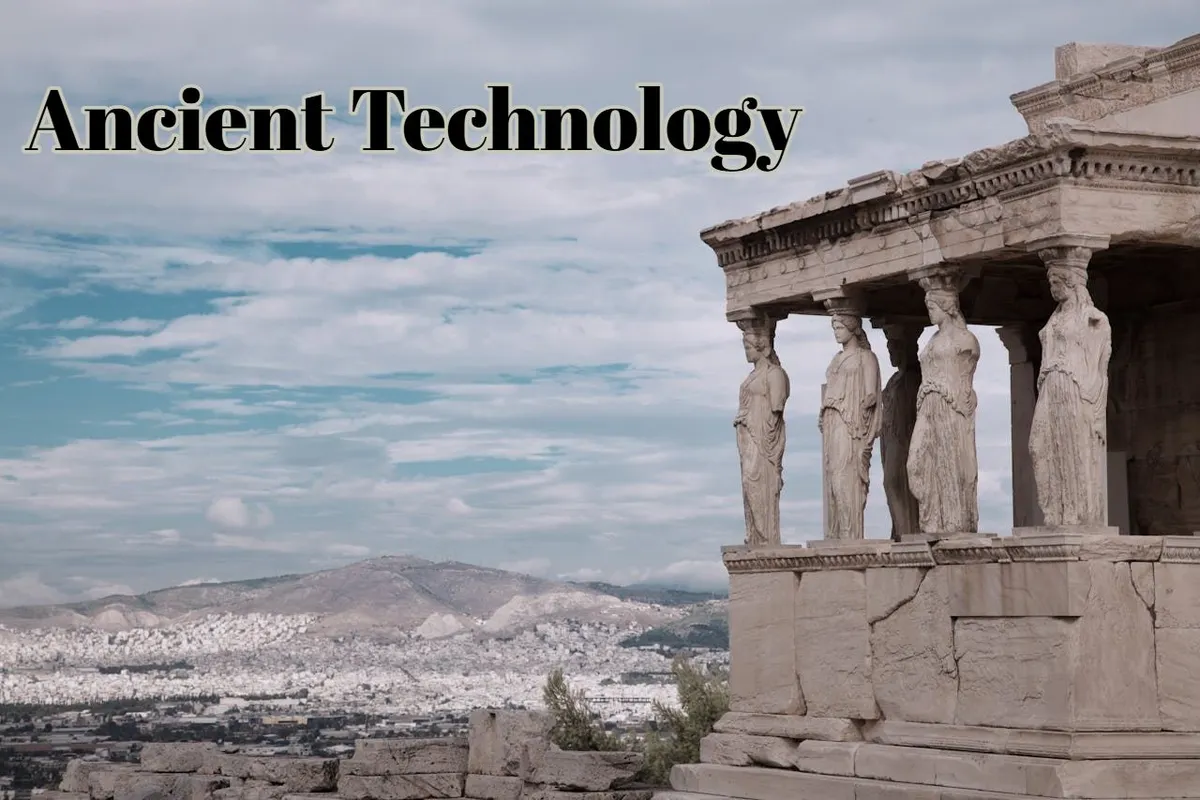
Ancient technology is one of the most intriguing parts of human history. From massive pyramids to advanced irrigation systems, our ancestors displayed extraordinary engineering skills. These innovations, created without modern machines, reveal the intelligence and creativity of early civilizations that continue to inspire today’s technological development and scientific curiosity.
The Engineering Genius Behind the Egyptian Pyramids
When we think about ancient technology, the Egyptian pyramids stand as timeless icons of human capability. Built over 4,000 years ago, these massive structures were constructed with incredible precision, aligning perfectly with celestial bodies. What’s truly fascinating is how ancient Egyptians achieved such architectural perfection without cranes, bulldozers, or modern tools.
Experts believe that the Egyptians used an ingenious system of ramps, levers, and manpower to transport and place enormous limestone blocks weighing several tons each. The Great Pyramid of Giza, made up of around 2.3 million stones, is a remarkable example of planning, mathematics, and astronomical understanding.
Some researchers even suggest that the pyramid builders might have used an early form of surveying technology and water-leveling techniques to ensure accuracy. This combination of mathematics, engineering, and architecture makes the Egyptian pyramids one of the earliest examples of advanced human technology. Their design influenced future generations and still amazes engineers in the 21st century.
Ancient Roman Engineering and Technological Mastery
The Roman Empire’s success wasn’t just about military power it was also built upon groundbreaking technology. The Romans were master engineers who revolutionized city planning, architecture, and public infrastructure. Their advanced road networks, aqueducts, and concrete structures became the backbone of their empire and the blueprint for future civilizations.
Roman roads, stretching over 250,000 miles, connected the vast empire efficiently. These roads were constructed using layers of stone, gravel, and sand, ensuring durability that allowed some of them to survive even today.
Similarly, Roman aqueducts massive water transportation systems showcased the civilization’s understanding of gravity and hydraulic engineering.
The invention of Roman concrete was another milestone. Unlike modern concrete, it was mixed with volcanic ash, making it resistant to cracking and environmental damage. This technology helped build lasting structures like the Pantheon and Colosseum. In essence, the Romans laid the foundation for modern civil engineering through their practical yet innovative use of ancient technology.
The Mysterious Inventions of Ancient China
China has always been a cradle of innovation, with ancient Chinese technologies influencing the entire world. Some of the most transformative inventions in human history including paper, gunpowder, the compass, and printing originated in China. These discoveries not only revolutionized their society but also changed global communication, exploration, and warfare.
The Chinese compass, for instance, was originally created for spiritual purposes like Feng Shui but eventually became crucial for navigation. This invention opened the path for global exploration centuries later. Similarly, the invention of paper during the Han Dynasty transformed record-keeping and education, replacing the heavy bamboo slips used earlier.
Another significant contribution was gunpowder, invented during the Tang Dynasty. Initially used for fireworks and religious ceremonies, it later reshaped global warfare. Ancient Chinese metallurgical technology also advanced weapon-making and agricultural tools, improving efficiency and productivity.
Even in architecture, the Chinese demonstrated impressive technical knowledge, as seen in the construction of the Great Wall, a marvel of defense engineering that utilized geography, manpower, and innovative building techniques to create one of the longest man-made structures on earth.
Greek Technology: The Birth of Scientific Innovation
Ancient Greece is often called the birthplace of science and technology. Greek inventors combined logic, observation, and experimentation to develop machines and tools that laid the groundwork for modern physics, mechanics, and astronomy. Their contributions extended beyond philosophy into the realm of real-world technology.
One of the most famous ancient Greek inventions was the Antikythera Mechanism, an advanced analog computer discovered in a shipwreck. It was used to predict astronomical positions and eclipses, proving that Greeks understood complex gear mechanisms long before modern times. This device is often referred to as the world’s first computer.
Greek engineers also developed early forms of steam engines, pulleys, and water mills. Archimedes, one of the greatest inventors of the time, created machines like the Archimedes screw, a device used to lift water efficiently, which is still used in irrigation systems today.
Furthermore, ancient Greek architecture, with its columns, theaters, and temples, reflected a deep understanding of geometry and structural balance. These innovations not only shaped ancient societies but also laid the intellectual foundation for Western technology and scientific progress.
Lost Civilizations and Their Forgotten Technologies
Some ancient technologies remain shrouded in mystery, as their creators disappeared long before their inventions could be fully understood. Civilizations like the Mayans, Incas, and the builders of Stonehenge left behind clues suggesting knowledge far beyond their time.
The Mayan civilization, for example, developed precise calendars, astronomical observatories, and complex city layouts. Their understanding of planetary movements was so advanced that they could predict solar eclipses without telescopes. Similarly, the Incan Empire mastered agricultural engineering through terraced farming and irrigation systems high in the Andes Mountains, maximizing productivity in harsh conditions.
Meanwhile, Stonehenge in England continues to baffle historians and engineers alike. Built around 3000 BCE, its alignment with solstices shows an advanced grasp of astronomy. The stones used in its construction were transported over long distances without wheels — a feat that remains one of history’s biggest engineering mysteries.
Many experts believe these lost technologies may have influenced later civilizations indirectly through cultural exchange or migration. Regardless of their origin, these ancient innovations continue to inspire modern scientists, proving that human creativity has always been limitless, even thousands of years ago.
Conclusion
Ancient technology was the foundation of modern civilization. From Egyptian pyramids to Roman engineering and Chinese inventions, these early innovations reveal humanity’s endless curiosity and genius. Though thousands of years have passed, the brilliance of ancient minds continues to inspire modern science, proving that innovation has always been part of human nature.
Also read: Ftasiafinance Technology: Revolutionizing the Financial World with Advanced Tech Solutions